


















How to choose the best student planner (for ADHD, busy schedules, and real life)

quick read: ~4 minutes (or just skim what you need)
If your brain feels full right now… you’re not alone.
You’ve got classes, assignments, work… maybe kids, maybe a business, maybe a group project that somehow became your responsibility.
And all of it needs to stay organized.
So you try a planner.
It works for a few days.
Then you forget to check it.
Or it starts to feel like one more thing to manage.
And everything ends up back in your head again.
What’s actually making this hard
It’s not you.
It’s the way most planners are set up.
Your month is in one place.
Your week is somewhere else.
Your notes are… wherever they fit.
So even when things are written down, they don’t feel clear.
You’re flipping.
Rechecking.
Trying to piece your plan together.
That’s a lot of mental work.
What actually helps
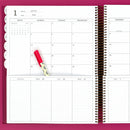
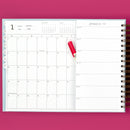
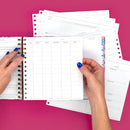
You need to see your month and your week together.
At the same time.
In one place.
No flipping pages.
Because when you can see everything at once, something shifts.
You stop guessing.
You stop double-checking.
You start trusting your plan.
If you have ADHD, this matters even more
This comes up a lot in our community.
It’s not about trying harder.
It’s about having a system that works with your brain.
That usually means:
- less flipping
- more visibility
- simple enough to come back to
- flexible enough to adjust
When your planner works this way, it’s easier to stay on track and not feel constantly behind.
If your life feels like a lot right now
You’re probably not just a student.
You might also be:
- working
- managing a home
- raising kids
- building something on the side
“i’m a mom, full time student, and small business owner… i have so much to keep track of”
That’s not a planning problem.
That’s a you have a lot going on problem.
And the solution isn’t more complexity.
It’s one place where everything lives.
What actually works (a simple system)
This is what we see over and over again:
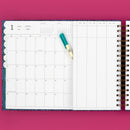
Monthly = what’s coming
Weekly = what you’re doing
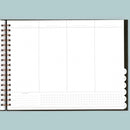
Extra space = everything else
“i like being able to write little notes about assignments in my weekly and keep due dates in the monthly”
Simple. Clear. Doable.
Most people don’t switch planners for fun
They switch because something isn’t working.
Not enough space.
Too much space.
Can’t see their time.
Everything feels mixed together.
So instead of asking
“which planner is best?”
It helps to ask:
what’s not working in my current system?
Okay, so which planner should you get?
Let’s make this actually helpful.
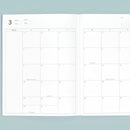
Start with the Scout if you want clarity without overthinking
If your current system feels messy or inconsistent, this helps you reset.
You don’t need a ton of space.
You just need to see your week clearly and follow through.
You can:
- - track assignments and due dates
- - plan your week simply
- - build the habit of actually using your planner
“it made staying on top of my schedule so much easier”
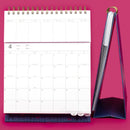
Choose the Nancy if you need more space to hold everything
This is where people land when life feels full.
If you’ve ever thought
“there’s nowhere to put all of this”
This solves that.
You can:
- - track school, work, and life together
- - split your space however you want
- - write freely without feeling cramped
And yes… you’ll probably end up using the space.
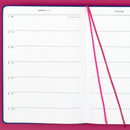
Choose the Anne if you need to see your time
If your days are structured around appointments, shifts, or study blocks, this helps everything click.
You can:
- - map out your day
- - see where your time is going
- - still adjust when things change
It’s structure… without feeling rigid.

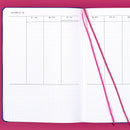
Choose the Rose if you need separation without losing visibility
If everything feels jumbled together, this helps you create clear sections.
You can:
- - separate school, work, and personal
- - manage multiple roles
- - still see everything at once
It’s especially helpful if your brain thinks in categories or projects.

Still unsure?
Start with The Scout Planner layout.
You don’t have to get this perfect.
Most people adjust their system as they go.
That’s part of the process.
How to start (without making this complicated)
You don’t need a perfect setup.
At the beginning of the month:
- - add exams
- - add due dates
- - add work shifts
- - add important events
Now you can see what’s coming.
Each week:
Look at your month and ask:
what actually matters this week?
Pick a few priorities each day.
Not everything.
Just enough.
During the week:
Add things.
Cross things off.
Move things around.
Your planner should move with your life.
What one week could actually look like
Let’s make this feel real.
You’ve got a midterm, a paper due next week, a couple of work shifts, and something fun on Friday.
Before the week starts, you can already see it on your monthly.
Nothing is sneaking up on you.
Then you move into your weekly.
Monday is simple.
Read a chapter. Start your paper. Study for an hour.
Tuesday is fuller.
Class, work, quick review.
Wednesday is focus time.
Midterm prep and a quick brain dump.
Thursday is the midterm.
Everything else stays light on purpose.
Friday, you finish your paper draft… then go enjoy your plans.
Saturday is work and a reset.
Sunday is finishing your paper and setting up next week.
You’re not writing everything.
Just what matters.
And as the week moves, your planner moves with you.
You might:
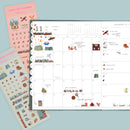
- - use a sticker so your midterm stands out
- - grab a sticky note to break your paper into steps
- - switch pen colors for school vs work
- - move things when plans change
Nothing is locked in.
How to make your planner easier to use
If your planner feels boring… you won’t open it.
So make it yours.
Use colorful stickers for:
- - deadlines
- - exams
- - birthdays and fun plans
- - little rewards when you finish something
Gold stars, frogs, study stickers… whatever helps things stand out.
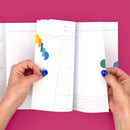
Sticky notes are great for:
- - breaking big projects into smaller steps
- - planning before writing things in
- - quick visual reminders
Shop Laurel Denise Sticky Notes
And if you change your mind a lot (same), use erasable pens.
Nothing is permanent.
Nothing is ruined.
You can even use a few colors to keep things organized.
One small thing that makes a big difference
Let it be flexible.
“tweaks are necessary and often change with the seasons”
You’re allowed to change your system.
That’s how it becomes yours.
the only thing to decide is when you want to start
If you want to start right away:
- - choose an undated planner (start anytime)
- - or a 2026 planner (January–December)
If you’re planning ahead for the school year:
- - our 2026–2027 academic planners (July–June) launch May 13
So whether you’re starting mid-semester, next month, or next school year…
There’s an option that fits.
You don’t need perfect planning
You just need something that helps you:
- - see everything at once
- - stay organized
- - feel a little more in control
Ready when you are
You don’t have to figure everything out today.
You just have to start.

